Si vous hésitez entre gants de ski et mitaines pour femmes : lequel garde vos mains au chaud en montagne ? vous n’êtes pas la seule. Les mains froides peuvent gâcher une journée de poudreuse plus rapidement qu'une mauvaise luminosité, et le choix de la bonne protection pour les mains dépend de votre façon de skier, de l'endroit où vous skiez et de la façon dont votre corps réagit au froid. Ce guide compare les gants de ski et les mitaines pour femmes de manière pratique et testée en montagne – afin que vous puissiez choisir ce qui est vraiment plus chaud, ce qui est plus facile à utiliser sur les remontées mécaniques et lors des transitions, et ce qu'il faut emporter pour les journées en station ou les grandes expéditions en arrière-pays.
Chaleur 101 : Les mitaines sont-elles plus chaudes que les gants ?
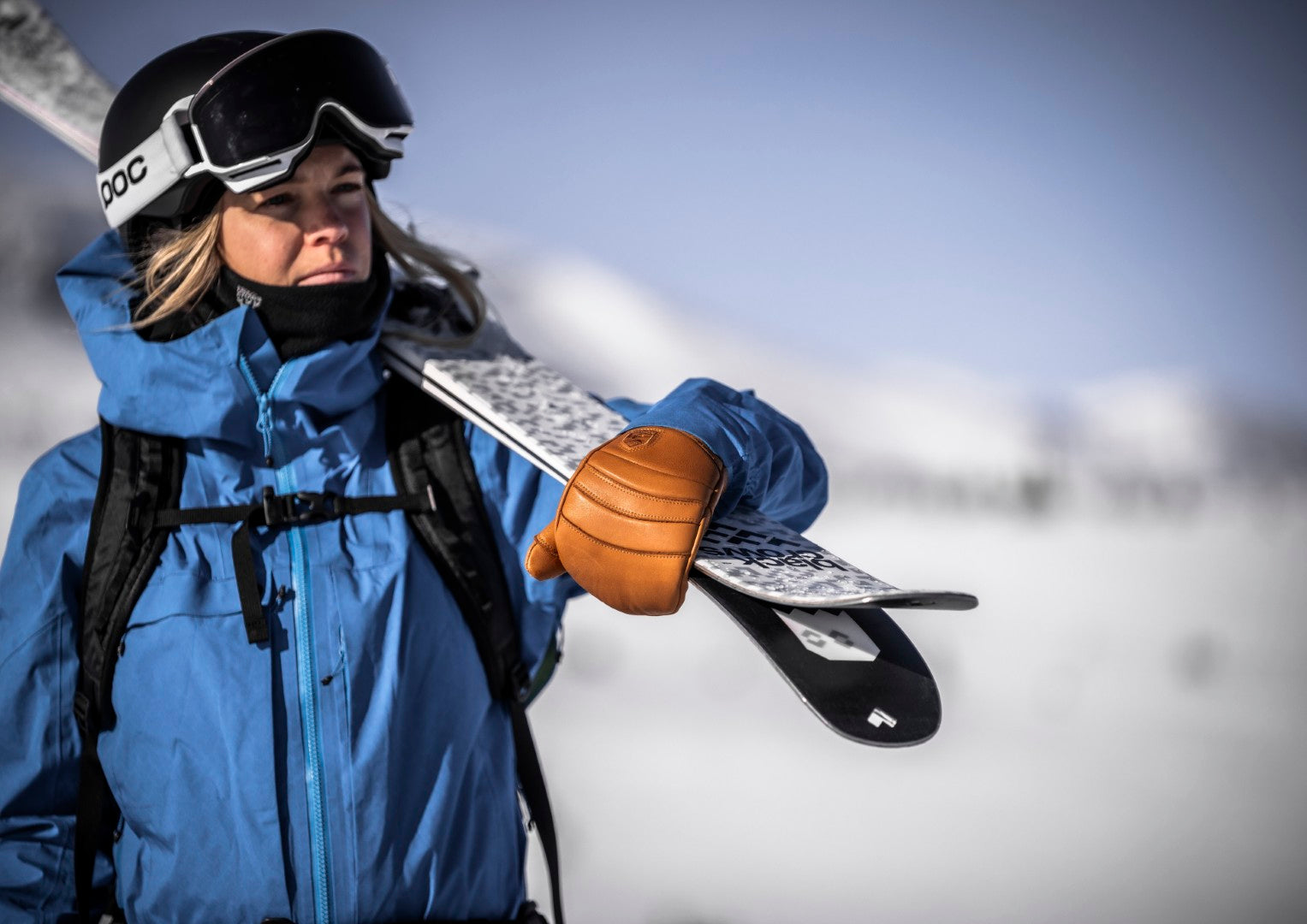
Répondons d'abord à la grande question : les mitaines sont-elles plus chaudes que les gants ? Dans la plupart des conditions, oui – les mitaines ont tendance à être plus chaudes que les gants car vos doigts partagent la chaleur dans une seule « poche » isolée. Les gants séparent chaque doigt, augmentant la surface et donnant à l'air froid plus d'occasions de voler la chaleur.
Cela dit, la chaleur ne dépend pas seulement de la séparation des doigts. L'option la plus chaude dépend de :
- Type et quantité d'isolation (synthétique vs duvet, grammes d'isolation, gonflant)
- Imperméabilité et respirabilité (qualité de la membrane, DWR, coutures scellées)
- Ajustement (trop serré restreint la circulation ; trop lâche laisse échapper la chaleur)
- Conception du poignet (longueur de la manchette et son étanchéité sur votre manteau)
- Votre niveau d'effort (remontées mécaniques froides vs randonnée à fort effort)
Alors oui, les mitaines sont souvent plus chaudes – mais un gant de première qualité avec une excellente isolation, une membrane appropriée et un bon ajustement peut surpasser une mitaine bon marché dans des conditions humides, venteuses ou de longue durée.
Gants de ski vs mitaines pour femmes : les différences clés qui comptent sur la neige
Choisir entre gants et mitaines se résume à quelques compromis de performance. Voici comment ils se comparent dans le ski et la glisse en conditions réelles.
1) Chaleur et protection contre le vent
Les mitaines l'emportent généralement en termes de chaleur, surtout sur les crêtes venteuses, les télésièges glacials et les jours de tempête. Avec moins de coutures autour de chaque doigt, les mitaines peuvent également réduire les points froids et la perte de chaleur.
Les gants peuvent toujours être chauds, surtout les gants isolés de type manchette. Si vous avez chaud, les gants peuvent être plus confortables car ils évacuent la chaleur plus facilement.
2) Dextérité (utilisation des fermetures éclair, boucles et téléphones)
Les gants sont dominants lorsque vous avez besoin de précision : ouvrir des emballages de collations, ajuster les boucles des bottes, manipuler les clés de voiture, utiliser votre téléphone ou serrer les sangles de l'équipement. C'est pourquoi de nombreux skieurs gardent une option de gants dans leur équipement, même si les mitaines sont leur choix principal.
3) Gestion de l'humidité (transpiration + neige = froid)
L'isolation humide perd sa chaleur. Si vos mains transpirent lors des montées en peaux de phoque ou des journées ensoleillées de printemps, les mitaines peuvent emprisonner plus de chaleur et d'humidité, à moins qu'elles ne soient très respirantes. Les gants ventilent souvent un peu mieux, et l'utilisation de sous-gants fins peut aider à réguler la température tout en protégeant votre peau pendant les transitions.
4) Confort et circulation
Les mains ont froid lorsque la circulation sanguine est restreinte. Une mitaine trop serrée peut sembler plus froide qu'un gant bien ajusté. Recherchez un ajustement qui vous permet de bouger confortablement les doigts et de maintenir la circulation, surtout si vous êtes sujette au syndrome de Raynaud ou si vous avez généralement les extrémités froides.
Quel est le meilleur choix pour votre style de ski ?
Ski en station : remontées froides, météo variable, beaucoup de transitions
- Mitaines pour les climats constamment froids, le ski par tempête et les longues remontées mécaniques.
- Gants si vous ajustez fréquemment votre équipement, utilisez un téléphone ou skiez dans des conditions plus chaudes.
Si vous bâtissez un équipement, commencez par une paire fiable de gants de ski pour femmes pour une polyvalence quotidienne, puis ajoutez des mitaines pour les journées les plus froides.
Arrière-pays : Gants ou mitaines pour les randonnées en arrière-pays ?
Lorsque vous décidez entre gants ou mitaines pour l'arrière-pays, pensez « systèmes », pas paires uniques. De nombreux skieurs d'arrière-pays expérimentés emportent :
- Des sous-gants fins pour la montée en peaux et les transitions (grande dextérité, respirant)
- Des gants de poids moyen pour la plupart des mouvements et le froid modéré
- Des mitaines chaudes pour les descentes, les conditions de tempête et les urgences
Assurez-vous que votre choix de gants/mitaines ne ralentit pas les actions critiques comme le déploiement des outils de secours. Consultez ce guide sur l'équipement de sécurité avalanche pour vous assurer que votre configuration complète est bien rodée.
Guide d'achat des mitaines de ski : ce qu'il faut rechercher (et ce qu'il faut éviter)
1) Isolation : synthétique vs duvet
- L'isolation synthétique conserve la chaleur lorsqu'elle est humide et gère mieux la neige mouillée.
- L'isolation en duvet peut être extrêmement chaude pour son poids mais est plus vulnérable à l'humidité.
2) Membrane imperméable + extérieur durable
Recherchez une membrane imperméable/respirante éprouvée et un tissu extérieur solide. Les paumes et les doigts renforcés sont également importants pour la durabilité.
3) Style de manchette : Sous la manchette vs manchette longue
- Les manchettes longues offrent une meilleure protection contre les intempéries.
- Les styles sous la manchette sont plus élégants mais peuvent laisser entrer la neige.
4) Doublures amovibles
Les doublures amovibles facilitent le séchage, le changement de niveau de chaleur et l'utilisation sur plusieurs jours.
5) Coupe et motif pour les femmes
Les tailles spécifiques aux femmes améliorent la chaleur et le confort en évitant les points de compression et l'excès d'espace d'air.
Les meilleures mitaines pour de ski pour femme : ce que "meilleur" signifie vraiment
- Climats froids et secs : privilégier l'isolation et la protection contre le vent.
- Climats de neige humide : privilégier l'imperméabilité et l'isolation à séchage rapide.
- Randonnée en arrière-pays : privilégier les systèmes de superposition et la compressibilité.
Explorez les options Hestra si vous souhaitez des gants et des mitaines haut de gamme conçus pour les journées d'hiver intenses.
Ne négligez pas le reste de votre équipement
Les mains froides proviennent souvent d'une perte globale de chaleur corporelle.
Des mains chaudes commencent par des pieds chauds. Une paire de chaussures de ski bien ajustée et des chaussettes chaudes aident à maintenir la circulation.
Si vous avez besoin d'options robustes au-delà du ski, pensez aux gants d'escalade pour femmes pour les tâches techniques.
Guide de décision rapide : Gants ou mitaines
- Choisissez des mitaines pour une chaleur maximale et des conditions très froides.
- Choisissez des gants pour la dextérité et le ski actif.
- Choisissez les deux si vous skiez fréquemment.
Verdict final : Lequel garde vos mains au chaud ?
Dans le débat entre gants de ski et mitaines pour femmes, les mitaines gardent généralement les mains plus chaudes en conservant la chaleur. Mais le meilleur choix dépend de l'ajustement, du climat, du niveau d'activité et de la stratégie de superposition.
Achetez la bonne protection pour vos mains pour votre prochaine journée de neige
Commencez avec des gants de ski pour femmes polyvalents pour le ski quotidien, ajoutez des mitaines chaudes pour les jours de tempête, et incluez des sous-gants respirants pour la randonnée. Pour une construction et une durabilité de première qualité, parcourez les produits Hestra et Black Diamond et construisez un système complet de protection pour les mains.