Choosing between a waterproof shell jacket and a softshell for backcountry climbing, skiing, and hiking comes down to one trade-off: breathability versus weather protection. A softshell excels when you're moving hard in mixed conditions; a hardshell waterproof shell wins when precipitation is sustained or the stakes of getting wet are high. Our men's technical jacket collection includes both categories from brands purpose-built for Canadian Rockies backcountry use.
Key takeaways
- Softshell jackets breathe better during high-output movement — skin tracks, steep hiking approaches, and multi-pitch climbing — but won't keep you dry in sustained rain or wet snow without a shell over top.
- Hardshell waterproof jackets are the correct choice when precipitation is sustained, when you're stationary for extended periods (belaying, ski descents), or when the consequences of getting wet are serious (alpine bivouac, technical climbing).
- The "breathability" number on a jacket's hang tag is a lab rating, not a real-world performance guarantee — activity intensity and temperature differential matter more than the number alone.
- For most backcountry objectives in the Canadian Rockies, carrying both a softshell and a light packable hardshell weighs less and performs better than one heavy all-conditions jacket.
- Brands like Ortovox design their softshell and hardshell lines as integrated systems built for exactly this layering approach.
What is the core breathability vs. protection trade-off between softshell and hardshell jackets?
Breathability and waterproofing are in fundamental tension in fabric technology: a membrane that blocks water molecules from getting in also impedes water vapour (sweat) from getting out, and the tighter that barrier, the more it restricts breathability. Softshell fabrics minimize this tension by removing the membrane entirely or using a very light one, allowing much freer vapour transmission at the cost of reduced weather resistance.
In practical terms: on a 3-hour ski touring skin track at 65–75% effort, a softshell jacket allows the sweat your body generates to escape through the fabric. The same effort in a 3-layer hardshell — even an expensive one rated at 40,000 g/m²/24h breathability — traps enough moisture that you arrive at the top of the skin track with wet base layers and no warmth reserve for the descent. This is the single most common layering mistake we see in the backcountry: wearing a hardshell for the uphill.
The breathability gap narrows significantly in cold temperatures (below −10 °C) when the vapour pressure differential between inside and outside increases, and in sustained precipitation when you're moving slowly. At those conditions, a high-end hardshell's breathability improves relative to its lab rating while its waterproofing advantage remains constant.
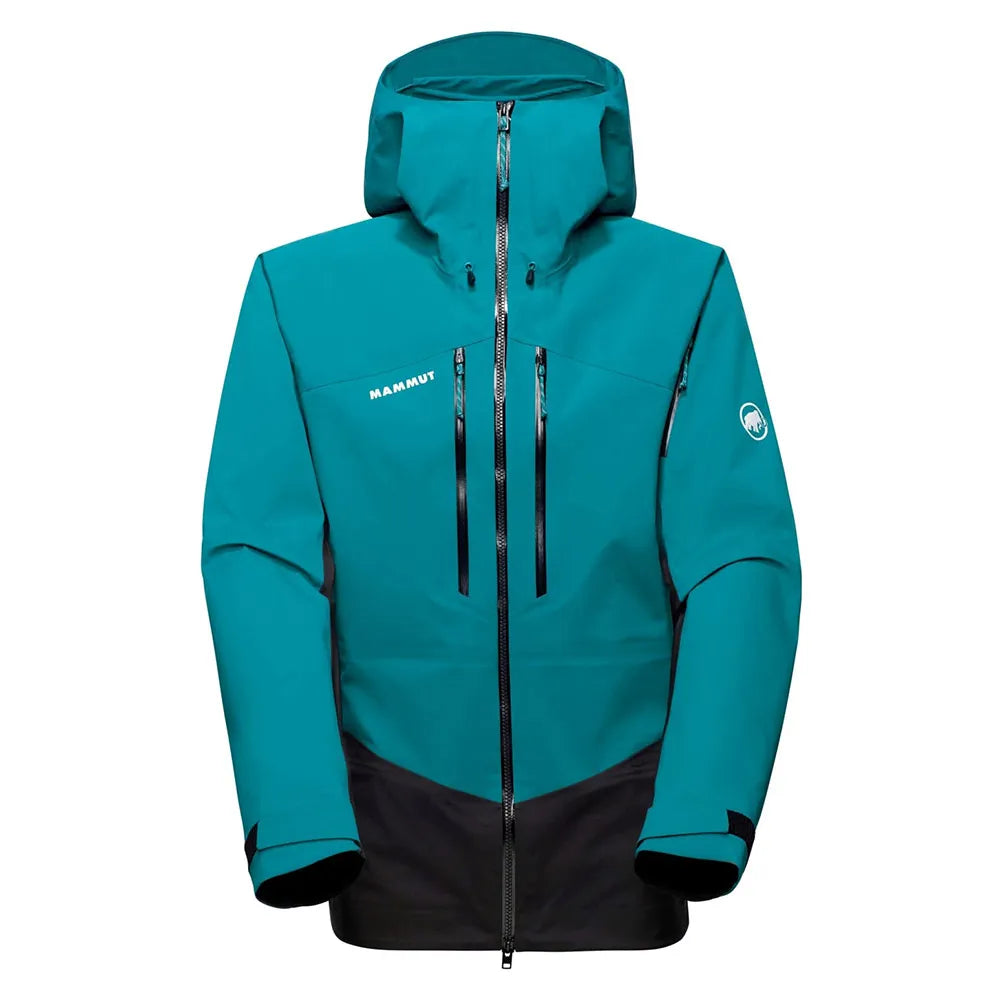
When should I choose a softshell jacket for backcountry use?
A softshell jacket is the right primary outer layer when your activity generates sustained high output, when precipitation is light to moderate (DWR-manageable), and when freedom of movement is a performance factor. These conditions describe the majority of spring ski touring days, multi-pitch climbing approaches, and technical scrambling in the Canadian Rockies.
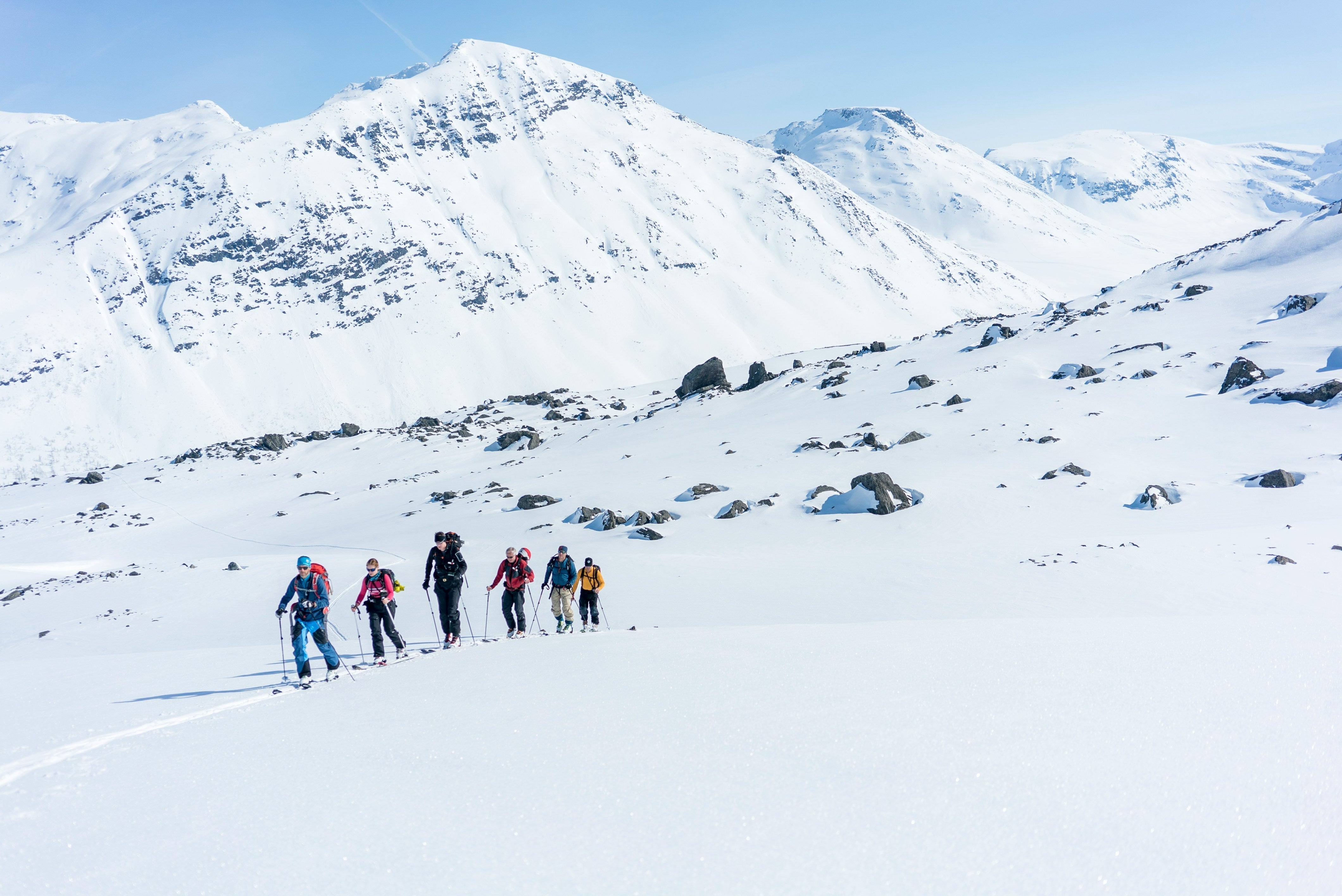
- Ski touring skin tracks: the archetypal softshell use case. You're generating enormous heat over 1–3 hours of sustained effort; any membrane layer restricts the vapour transmission that prevents you from soaking through your base layers.
- Multi-pitch rock climbing: the active pitch demands freedom of movement and breathability; the belay station demands warmth. A softshell covers the pitch; you add an insulated layer at the belay.
- Alpine approaches (dry or light precipitation): approach days to glacier routes, couloirs, or technical scrambles in the Rockies typically involve long walking sections at moderate effort. A breathable softshell prevents the "wet before you start" syndrome of wearing a hardshell from the car.
- Ice climbing at moderate temperatures (above −15 °C): the tool-swinging movement of ice climbing generates significant heat. A stretch softshell provides the range of motion needed for high-angle tool placements without restricting overhead reach.
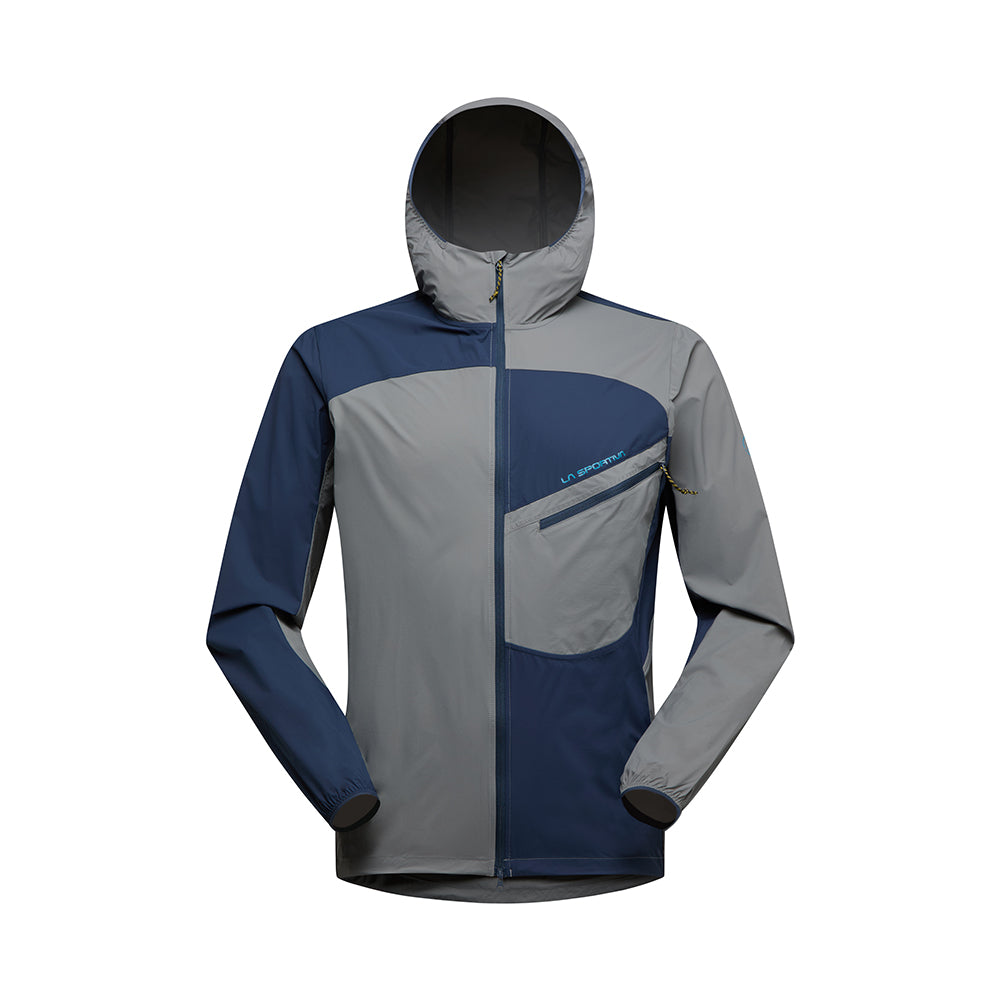
The category of men's softshell jackets includes everything from light windstopper weaves for ridge running to burly 4-way stretch technical softshells designed specifically for ski mountaineering and climbing. The right softshell depends more on your typical conditions and activity intensity than on a single spec number.
When should I choose a waterproof shell jacket instead?
A waterproof hardshell is the correct choice when precipitation is sustained (more than 30–40 minutes), when you're stationary for extended periods in wet conditions, when temperatures are near or below freezing with any precipitation, or when the safety margin of staying dry is non-negotiable. These are the conditions where the softshell's breathability advantage is outweighed by its inability to block sustained moisture penetration.
|
Scenario |
Waterproof shell wins |
Softshell wins |
|
Ski touring skin track (1–3 hrs sustained effort) |
No |
Yes — breathability critical |
|
Ski descent in wet spring snow |
Yes — DWR-only gets soaked |
No |
|
Alpine bivouac, wet conditions |
Yes — waterproof is mandatory |
No |
|
Multi-pitch rock climbing (dry) |
No |
Yes — movement critical |
|
Sustained rain on approach or summit |
Yes |
Marginal (DWR only) |
|
Ice climbing (moderate temps) |
Optional |
Yes — range of motion critical |
|
Backcountry skiing descent (wet snow) |
Yes |
No |
|
Fast alpine approach in wind |
No |
Yes — windproof softshell preferred |
For most backcountry skiers and Rockies alpinists, the hardshell is the right jacket for the descent and the belay — not the ascent. The most experienced backcountry skiers in the Rockies carry a softshell for the skin track and switch to a hardshell shell (often stashed at the top) for the descent when snow is wet or precipitation is present. The Black Diamond Recon Ortovox Westalpen 3L series is a strong example of a hardshell built to be worn for this specific descent-and-stop use pattern.
How do I read the waterproof and breathability ratings on a technical jacket?
Jacket hang tags display two numbers: waterproof rating in mm (hydrostatic head test) and breathability in g/m²/24h (moisture vapour transmission rate) — but both are lab measurements under controlled conditions, not promises about real-world performance in the backcountry. Understanding what the numbers mean — and where they fall short — prevents expensive disappointment.
Waterproof rating (mm hydrostatic head): measures how tall a column of water the fabric can resist before leaking. 10,000 mm is the practical minimum for Rockies conditions; 20,000 mm handles sustained heavy rain; 28,000+ mm is expedition-level protection. The limitation: these ratings assume the seams are taped and the DWR is functional. A 28,000 mm jacket with dead DWR wets out and feels cold even though the membrane still technically passes the test.
Breathability rating (g/m²/24h MVTR): measures how many grams of water vapour pass through 1 m² of fabric in 24 hours. 10,000 g is baseline; 20,000–30,000 g covers most active mountain use; 40,000+ g is for very high-output activities. The limitation: real-world breathability drops dramatically when the outer face fabric is wet (it blocks vapour before it reaches the membrane) and varies with the temperature differential between body and outside air.
A practical benchmark: for ski touring and Rockies climbing, a waterproof shell jacket rated 20,000/20,000 or above covers most conditions. Below that threshold in a hardshell, you're compromising somewhere meaningful. In a softshell, the breathability number matters more than the waterproof number — look for 15,000+ g MVTR with a stretch woven face that manages moisture through the fabric structure itself.
What is the two-jacket system and why do experienced backcountry users prefer it?
The two-jacket system — a technical softshell as the primary layer with a packable hardshell shell stashed in the pack for precipitation events — weighs less, performs better across conditions, and is more adaptable than any single "do-everything" jacket. This approach has become the default for experienced backcountry skiers, alpinists, and multi-day trekkers in the Rockies precisely because no single jacket architecture handles both sustained aerobic output and sustained precipitation equally well.
A proven two-jacket kit for Rockies backcountry use:
- Primary layer — technical softshell (280–420 g): worn on all approaches, skin tracks, and aerobic sections. Provides wind protection, light precipitation resistance via DWR, and full breathability. Stays on for 80% of most days in the field.
- Pack jacket — packable waterproof shell (200–350 g): lives in the top lid or hip belt pocket. Goes on for ski descents in wet snow, sustained rain on ridgelines, or the summit stand. Comes off when you start moving again.
Combined weight: 480–770 g — less than most single "alpine hardshells" that try to serve both roles, and with genuinely better performance at both ends of the condition range. The Black Diamond alpine jacket lineup is specifically designed around this two-jacket philosophy, with each piece engineered to complement rather than duplicate the other.
How do softshell and hardshell jacket choices differ for climbing versus skiing versus hiking?
The right jacket architecture changes with the activity because the movement pattern, precipitation exposure, pack configuration, and safety margin requirements differ significantly between climbing, skiing, and hiking. A softshell optimized for ski mountaineering is a different product from one optimized for rock climbing, even if both are technically "softshells."
|
Priority |
Ski touring / ski mountaineering |
Technical climbing (rock or ice) |
Backcountry hiking / scrambling |
|
Primary layer type |
Breathable softshell |
Stretch softshell or light hardshell |
Softshell or light packable shell |
|
Waterproof requirement |
Pack-along for descent |
Highly dependent on route exposure |
Day-trip: packable shell; multi-day: 3L hardshell |
|
Hood type |
Ski helmet compatible |
Climbing helmet compatible |
Hat-compatible, sun-protection priority |
|
Range of motion priority |
High (poling and kick turns) |
Critical (overhead reach, stemming) |
Moderate |
|
Pit zip value |
Very high (long aerobic skin track) |
Moderate (stop-start activity) |
High (sustained hiking grade) |
|
Pocket accessibility |
Hip belt-compatible (ski packs) |
Harness-compatible (climbing packs) |
Standard hand and chest pockets fine |
For users who do all three activities across a season — and most Rockies backcountry users do — the best single softshell investment is one that prioritizes the activity you do most often, then acceptsaccept the minor compromises for the others. A ski mountaineering softshell works adequately for hiking; a climbing-specific stretch shell feels slightly restricted at ski touring kick turns but otherwise functions well. The overlap is significant enough that one quality softshell in the 300–400 g range serves most three-season backcountry users well. Explore the full men's technical jacket lineup to find the right fit for your primary use case.
Frequently asked questions about waterproof vs. softshell jackets for backcountry
Can a softshell jacket get wet enough to be dangerous in backcountry conditions?
Yes, in sustained precipitation at low temperatures. A fully saturated softshell loses a significant portion of its insulating value, and wet fabrics accelerate heat loss through conduction. The safety scenario is a sudden weather change during a long day in the backcountry when you're already committed to a route and your DWR is degraded. The mitigation: carry a packable hardshell even on days when you don't expect to use it, and treat your softshell's DWR at the start of each season.
Is a 3-layer hardshell worth the price premium over a 2.5-layer for Rockies backcountry use?
For most users doing weekend ski touring and single-day alpine routes, a well-maintained 2.5-layer shell handles the majority of Rockies conditions adequately. The 3-layer construction adds durability (the inner face is bonded rather than loose), marginally better breathability, and a crisper movement feel — meaningful for guides and frequent alpine users who wear a hardshell 100+ days per year. For recreational users logging 15–30 backcountry days per season, the 2.5-layer price savings are better directed toward a quality softshell or insulated layer.
What jacket do I need for backcountry skiing with the Ortovox avalanche safety system?
Ortovox designs their jacket line around compatibility with their avalanche safety gear — the pockets, zipper placement, and layering architecture account for transceiver access and beacon harness positioning. Their softshell and hardshell jackets include internal transceiver pockets and harness-compatible designs that generic shells don't account for. If you're building an avalanche safety kit, starting with brand-matched outerwear simplifies the system significantly.
What does "4-way stretch" mean on a softshell jacket, and does it matter?
4-way stretch means the face fabric stretches both along the grain and across it — allowing full range of motion in any direction. For backcountry climbing and ski touring, this matters for overhead reach (ice axe swings, high placements on rock), hip flexion on steep kick turns, and the crouch position needed for crampon work and skinning transitions. Non-stretch softshells feel restrictive at these movement extremes; 4-way stretch fabrics move with you rather than resisting the motion.
How long should a quality technical softshell or hardshell jacket last?
With proper DWR maintenance and care, a quality technical softshell should last 5–8 seasons of regular backcountry use; a 3-layer hardshell, 7–10 seasons. The components that degrade first are the DWR coating (maintainable) and the membrane delamination from the face fabric (not repairable, typically shows after 4–6 seasons of heavy use). Indicators that a jacket's membrane is failing: persistent wetting out even after DWR treatment, a clammy inner feel during rain, and visible delamination bubbles in the face fabric.
Where to start?
The single most effective upgrade most backcountry users can make isn't buying a better jacket — it's using the right jacket category for the right activity. A quality softshell for the ascent and a packable hardshell shell for the descent costs less, weighs less, and performs better than one expensive "all-conditions" jacket used for everything.
Start building your technical jacket system here:
- Men's technical jackets — the full range of softshells, hardshells, and hybrid shells for backcountry skiing, climbing, and hiking
- Men's softshell jackets — breathable stretch softshells for high-output skin tracks, technical approaches, and multi-pitch climbing
- Ortovox — integrated softshell and hardshell systems built for ski mountaineering and avalanche-safety compatibility
- Black Diamond — technical shells across the hardshell and softshell spectrum, designed for the crossover between climbing, skiing, and alpine hiking
- Mammut — performance alpine jackets built for the demanding spring and shoulder-season conditions specific to the Canadian Rockies
If you're building a system from scratch or replacing a single aging piece, bring your primary backcountry activity and your typical conditions — we can help you figure out whether you need to start with the softshell or the hardshell first.