Collection:
Avalanche Airbags
Avalanche Airbag Backpacks for Backcountry Skiing & Snowmobiling
Discover our selection of avalanche airbag backpacks built for the Canadian Rockies and the dry, continental snowpack that produces the slab avalanches these packs are designed for. Whether you're looking for an electric avalanche airbag for international travel, a cartridge system that keeps the entry price down, or an ultralight avalanche backpack for dawn patrol out of Canmore, our range covers 27L to 45L across the three brands we trust and fit in store.
Shop Premium Brands
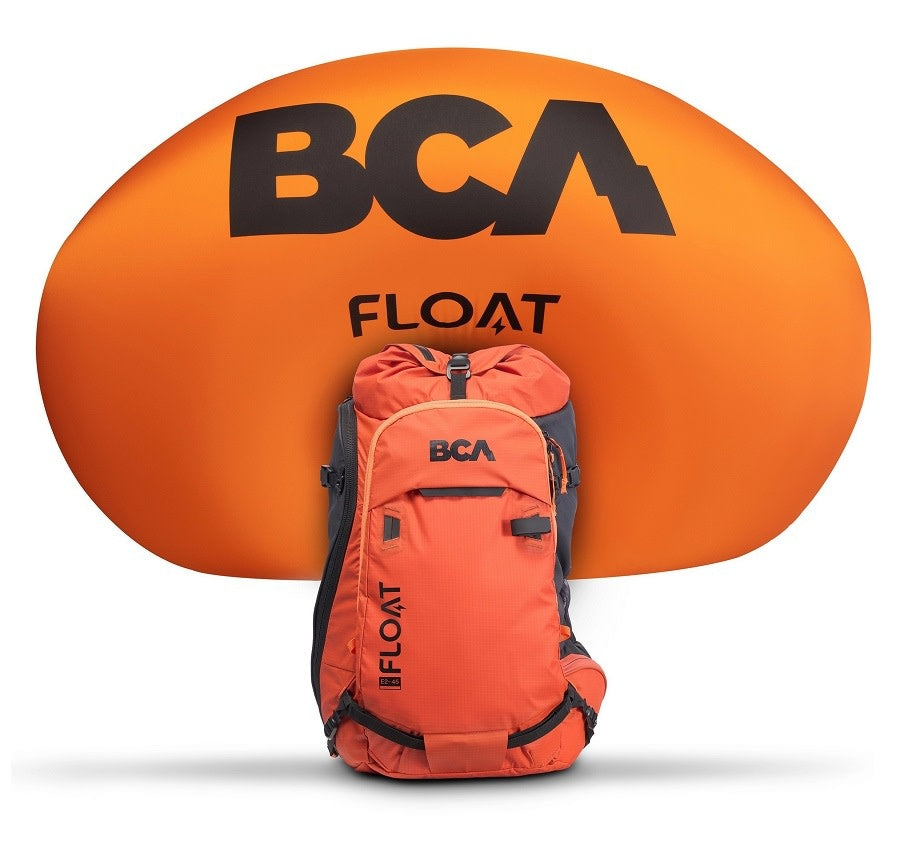
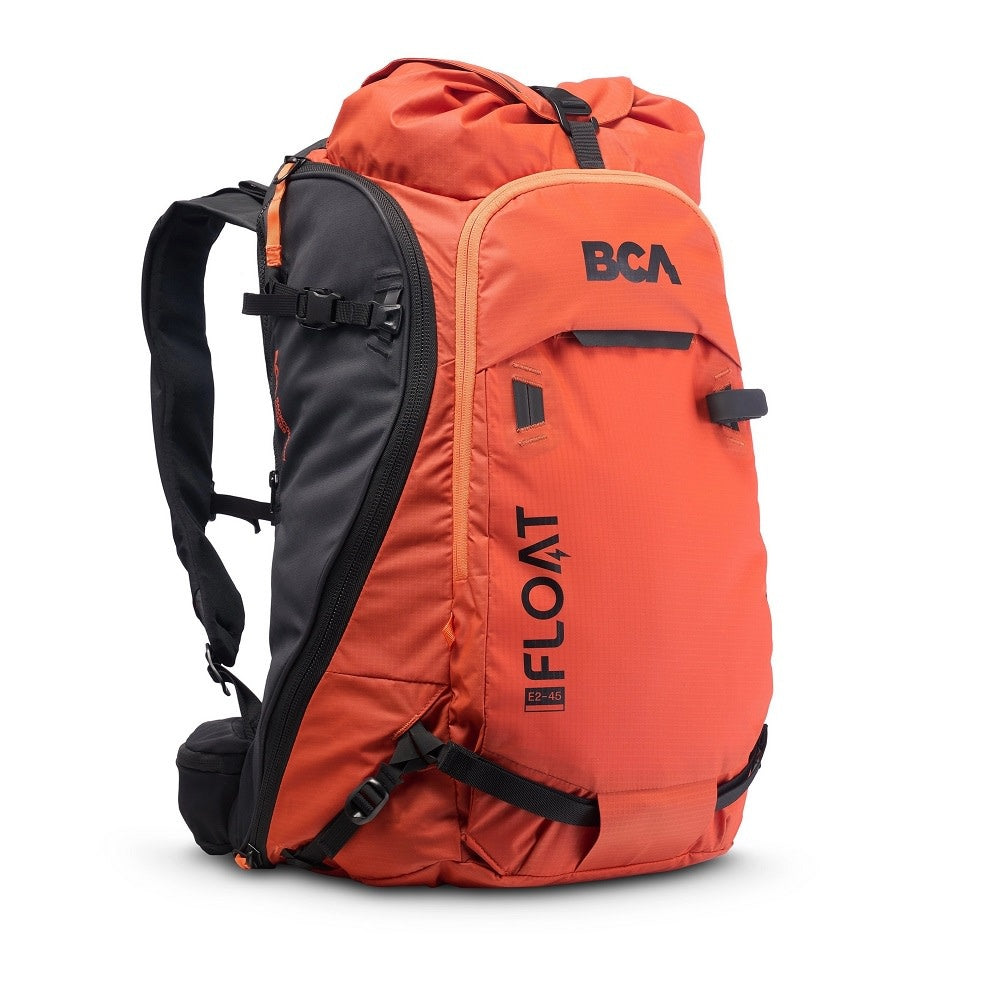
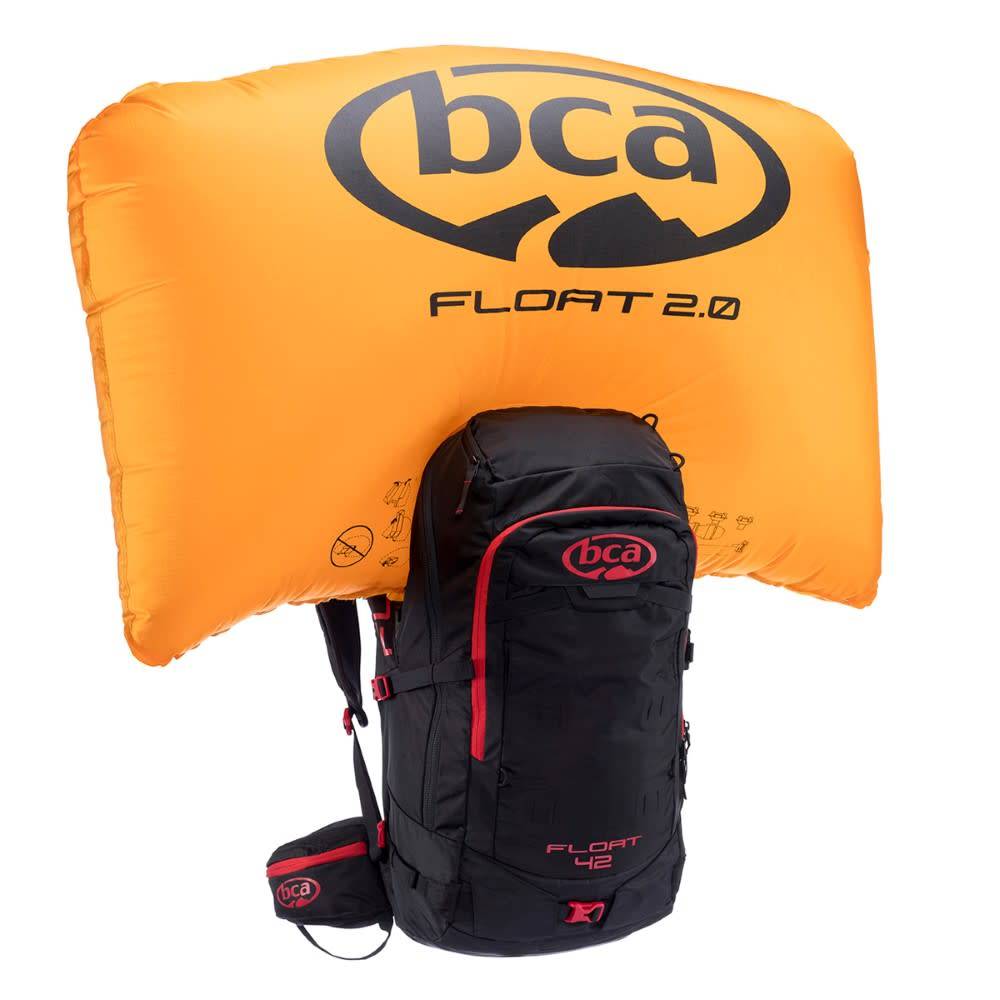
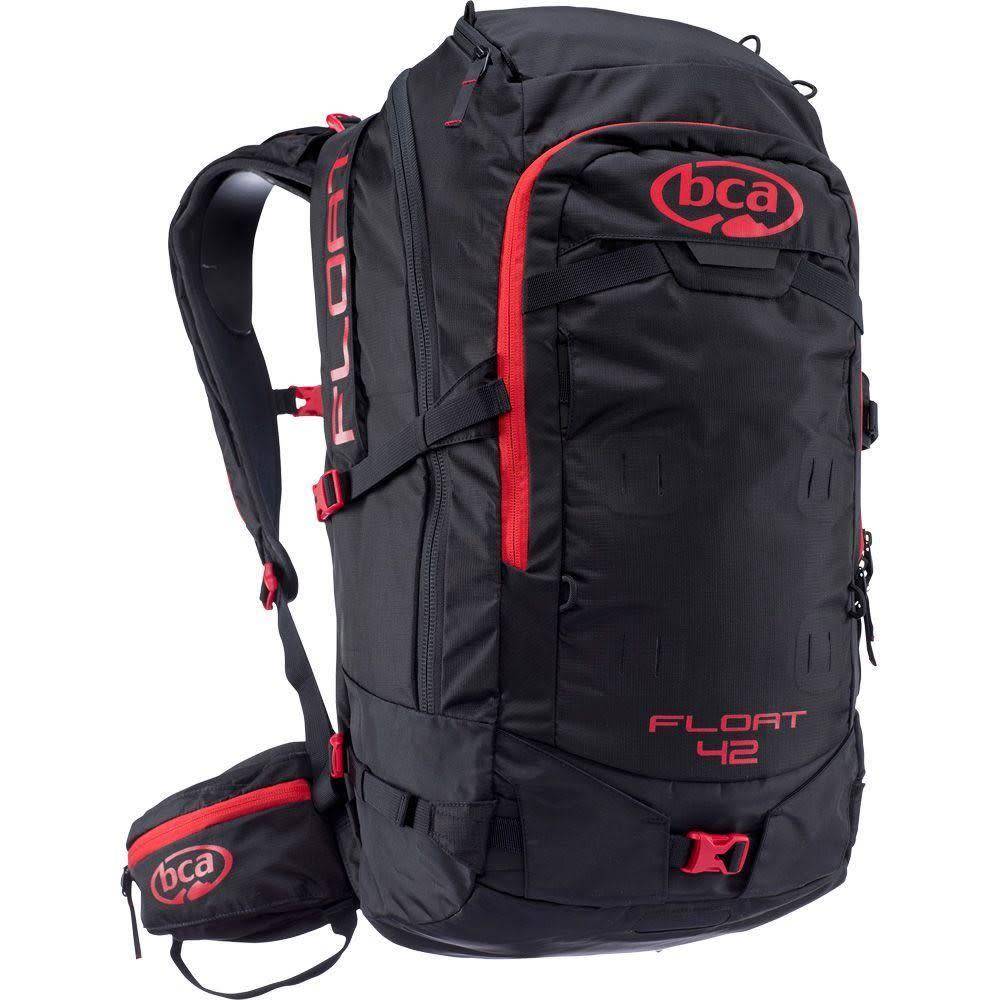
- BCA (Backcountry Access): The most widely used airbag brand in North America, with both electric and cartridge systems (Float E2 45L, Float E2-35, Float 42 2.0)
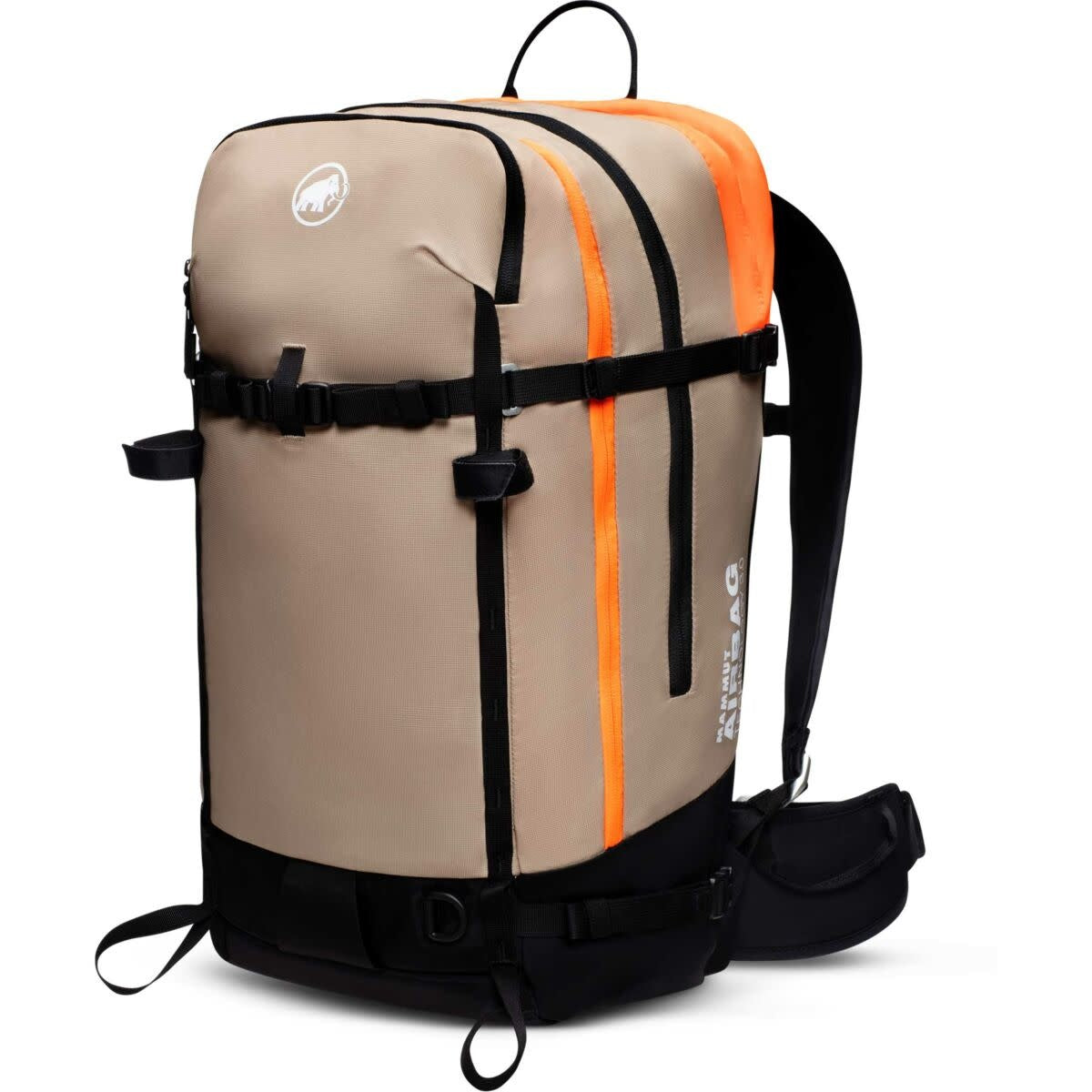
- Mammut: Swiss engineering and the Removable Airbag 3.0 system, which moves between compatible packs (Pro 35 Removable Airbag 3.0)
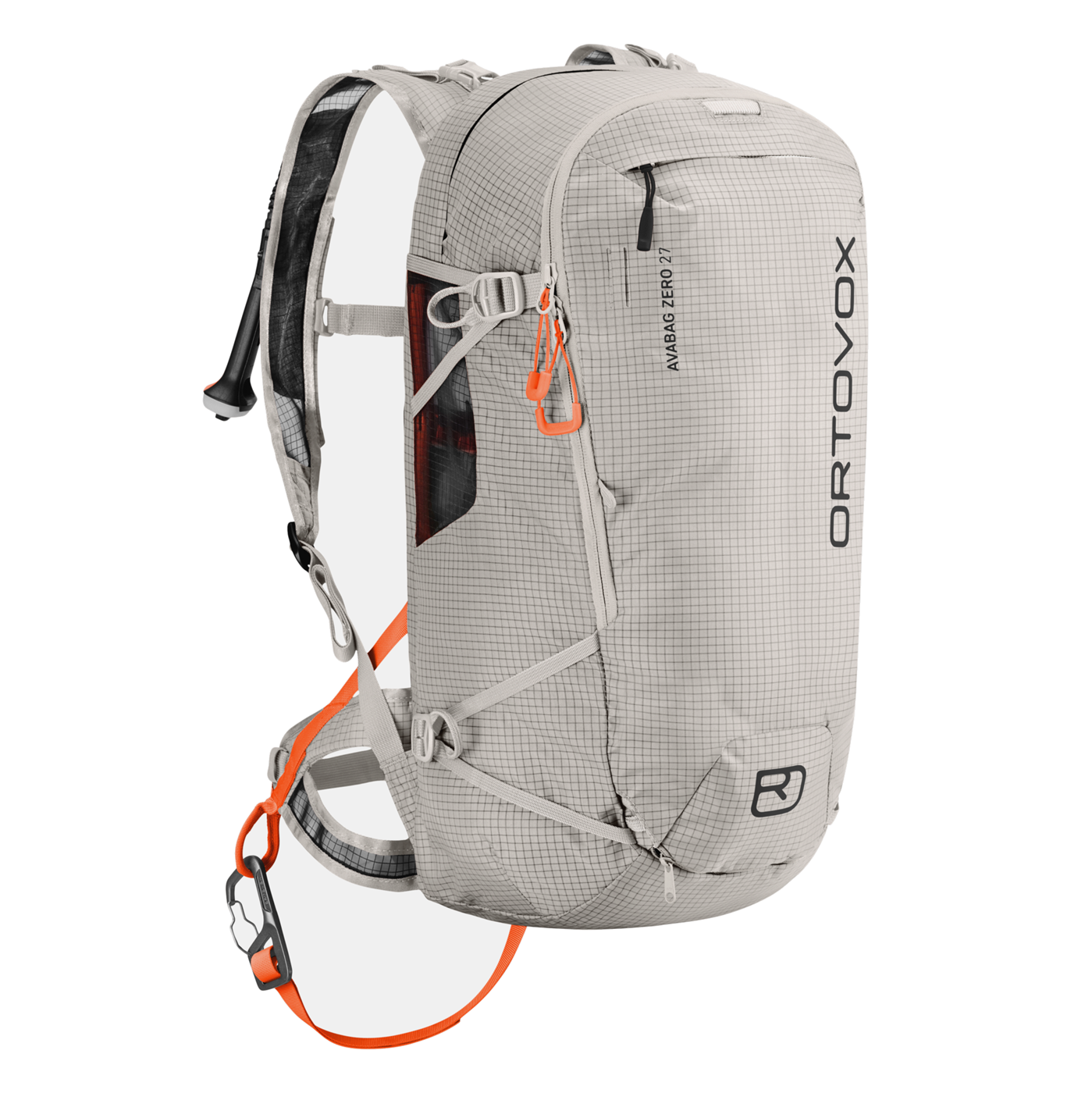
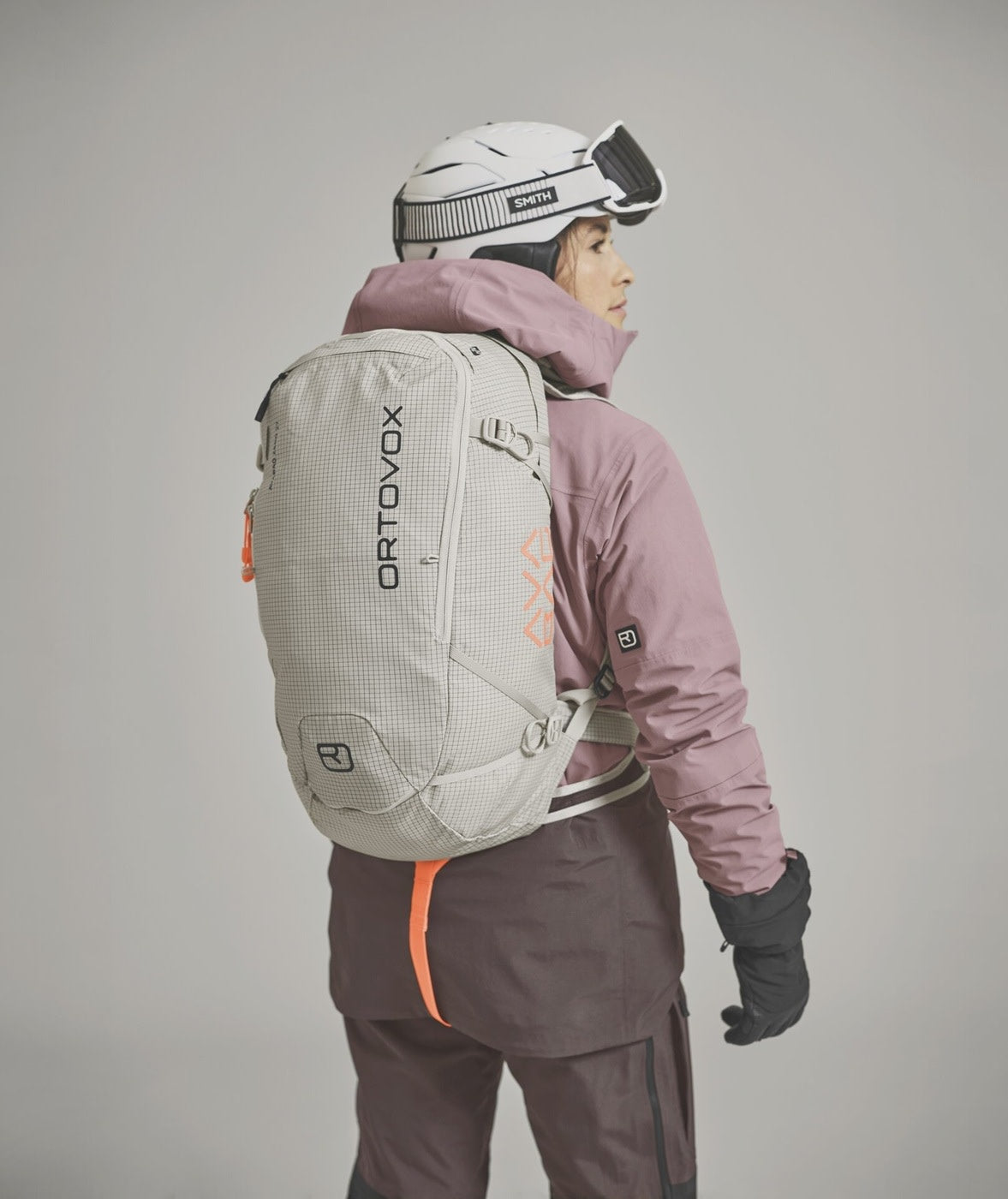
- Ortovox: Austrian alpine specialists and the LiTRIC supercapacitor platform, the lightest electric system in the collection (Avabag Litric Zero 27)
Browse by System
- Electric Airbags: A supercapacitor drives a fan that pulls in ambient air. No cartridge, no consumable cost, multiple deployments per charge. Practice pulls are free, which matters more than most buyers realise. Generally the simpler option if you fly to your skiing.
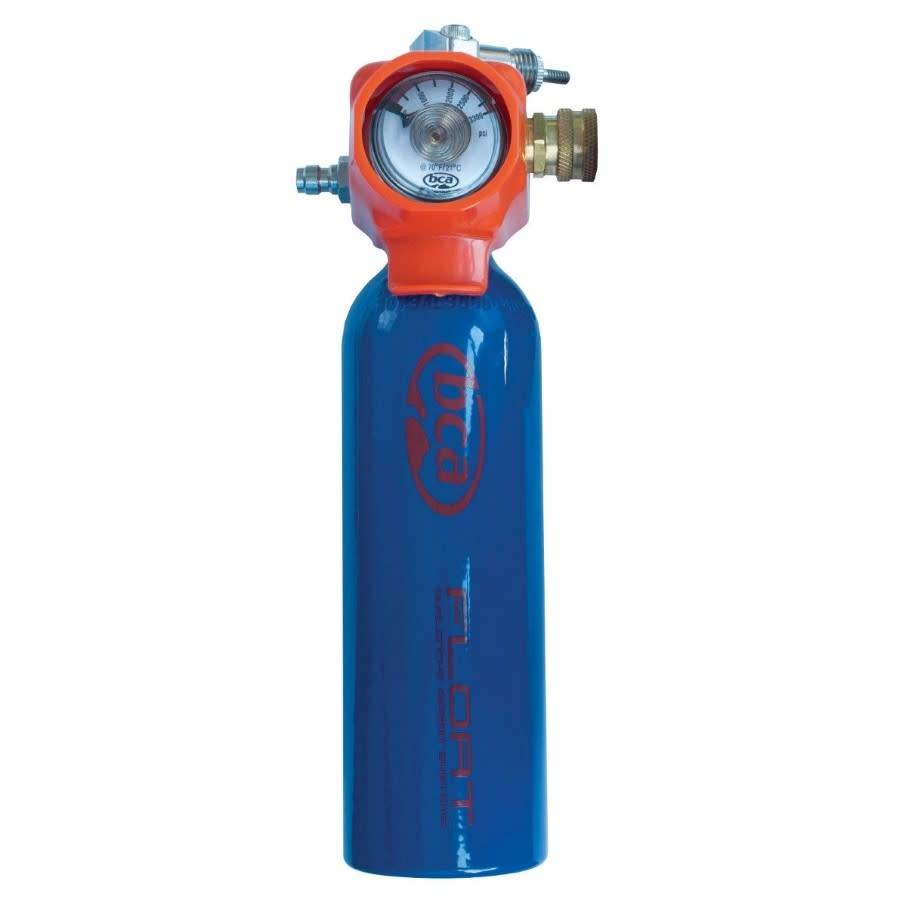
- Cartridge Airbags: Compressed gas from a pressurised canister. Lower entry price, lighter for the same volume, and one deployment per fill. We stock replacement cylinders and refill kits so a practice pull doesn't ground you.
- Cartridges and Refills: BCA Float 2.0 cylinders, Mammut 270 Bar alu cartridges, and Mammut 3-pack refill kits for topping up your own.
Electric vs. Cartridge
Electric systems cost more up front and weigh more for a given volume, but every reset is free and air travel is simpler. Cartridge systems cost less to buy and carry lighter, but each deployment costs money and flying means dealing with airline and cartridge rules. If you practice, fly, or ski more than twenty days a season, electric usually wins. If budget is the deciding factor, a cartridge pack you actually carry beats an electric pack you can't afford.
Choosing Your Volume
- 25 to 28 litres: Dawn patrol, short laps, sidecountry. Rescue kit, skins, a layer, water and lunch.
- 30 to 35 litres: A full Rockies day tour. Adds a rope, a light rack or crampons, and spare layers.
- 40 to 45 litres: Guiding, ski mountaineering, hut trips and traverses like the Wapta. Full technical kit plus group gear.
Key Features to Consider
- Handle position: It has to be reachable with a jacket, chest strap and camera harness in the way. Check it every time you put the pack on.
- Leg strap: Non-negotiable. An unsecured pack can be torn off you in a slide, taking the airbag with it.
- Removable systems: Mammut's Removable Airbag 3.0 moves between compatible packs, so one system can cover a day pack and a bigger touring pack.
- Travel: Cartridges usually have to be empty and declared. Electric packs fall under battery rules. Both vary by carrier.
- Rescue kit compatibility: Dedicated shovel and probe pockets that open without unpacking the main compartment.
An Airbag Adds to Your Rescue Kit, It Never Replaces It
An airbag lowers the odds of being buried. It does nothing to help your partners find you if you are. A transceiver, a probe and a shovel remain the baseline for anyone travelling in avalanche terrain, along with the training to use them. See the full kit in our avalanche safety collection.
Why Vertical Addiction
We ski this terrain. Our team fits airbag packs in Canmore every season, loaded, with the layers you actually tour in, and walks you through a deployment before you leave with one. We stock both systems because the right answer depends on how you ski, not on what we'd rather sell.
Filter
9 products