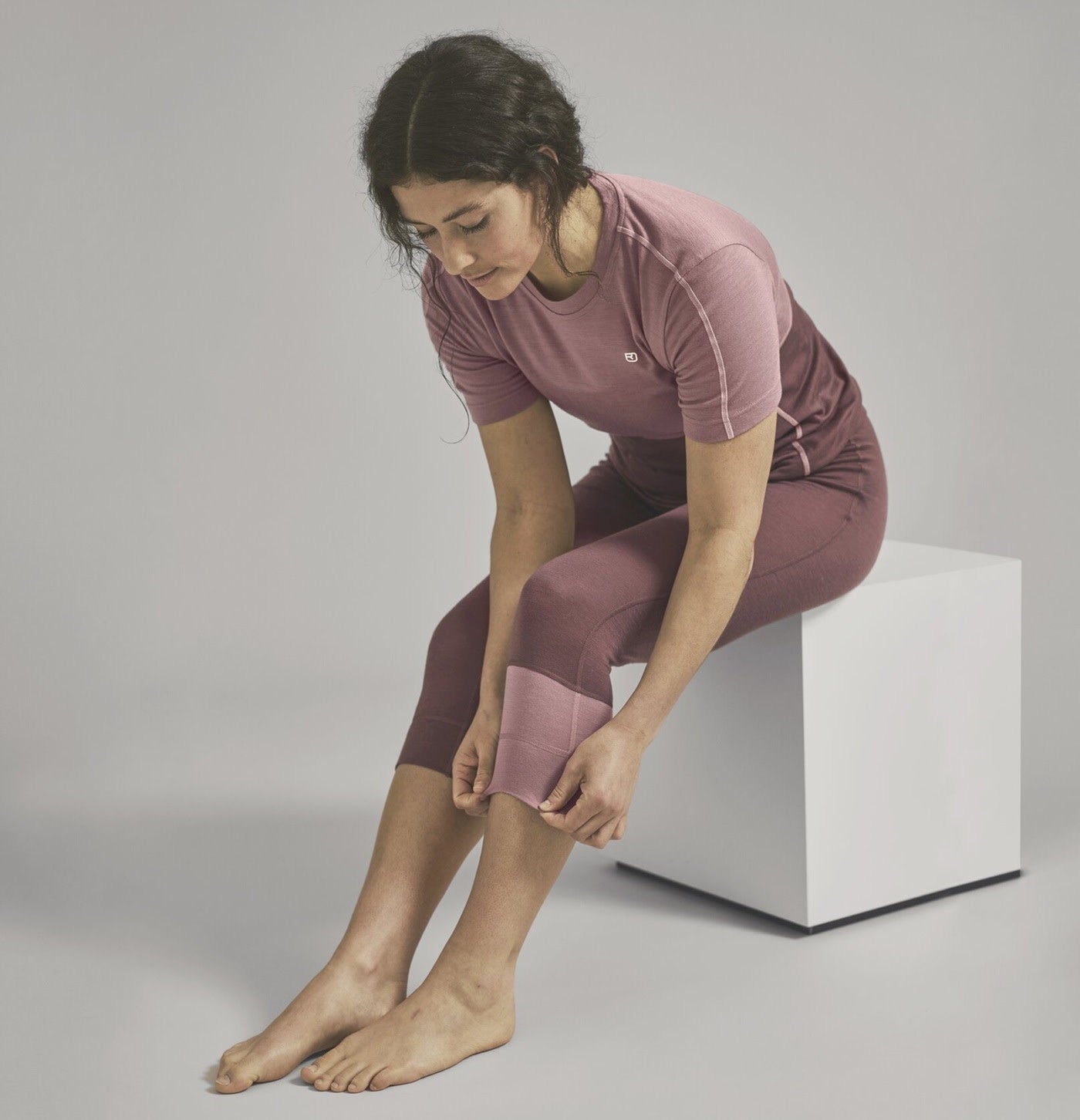
Why base layer “weight” matters in the mountains
A technical base layer can make or break a day in the alpine. Too light and you’ll chill on belays; too heavy and you’ll overheat on the skintrack. This base layer weight guide breaks down what 150, 185, and 250 weight actually mean in real-world terms—warmth, moisture management, and best use cases for mountain athletes.
If you’re shopping for new layers, start with the Base Layers collection to compare fits, fabrics, and intended use across brands.
What do 150, 185, and 250 weight mean?
In most merino and synthetic systems, “weight” refers to the fabric weight—typically measured in grams per square meter (gsm). Higher gsm generally means more insulation and durability, with tradeoffs in drying speed and breathability.
- 150 weight (≈150 gsm): light, fast-drying, high breathability.
- 185 weight (≈185 gsm): midweight balance of warmth and moisture control.
- 250 weight (≈250 gsm): warmest, most insulating option; best when movement is slower or temps are truly cold.
Weight isn’t the only factor (knit structure, fiber blend, fit, and finish matter), but it’s the quickest way to predict where a piece fits in your layering system.

150 weight vs 185 weight vs 250: practical performance differences
150 weight base layers: best for high output and warmer temps
150 weight is the go-to for high-intensity movement or shoulder-season conditions where sweat management is the priority. It’s a strong choice for trail running, fast alpine approaches, spring ski touring, and summer mornings at elevation.
- Pros: excellent breathability, dries quickly, packs small, great next-to-skin comfort.
- Cons: less warmth at rest, can feel chilly in wind without a midlayer or shell, may be less durable for heavy abrasion.
- Best for: trail running, fast-and-light missions, warm spring tours, summer alpine starts.
185 weight base layers: the all-around workhorse
185 weight hits the “most days, most places” sweet spot for mountain athletes: enough warmth to stay comfortable when pace drops, but still breathable enough for sustained climbing or touring. If you’re torn in the 150 weight vs 185 weight decision, 185 is often the safer do-it-all pick.
For a proven midweight option, check out the Ortovox 185 Rock’n’Wool base layer—a popular choice for ski mountaineering and alpine layering systems where odor resistance and temperature regulation matter.
- Pros: balanced warmth/breathability, versatile across seasons, comfortable under a pack, strong moisture buffering.
- Cons: not as airy as 150 for hot climbs; not as warm as 250 for long cold stops.
- Best for: ski touring, alpine climbing, shoulder seasons, mixed-output days.
250 weight base layers: for cold days and lower-output pacing
250 weight is built for warmth. Think midwinter touring, cold weather mountaineering, ice climbing, and days where you’ll be standing around (belays, transitions, guiding, or photography). It shines when you need insulation right next to skin, especially if you run cold.
- Pros: warm at rest, comfortable in very cold temps, great foundation under minimal midlayers.
- Cons: can overheat during hard efforts, dries slower, bulkier in a pack.
- Best for: ice climbing, midwinter ski mountaineering, cold expeditions, low-intensity days.
How to choose a base layer weight (temperature, intensity, layering)
The “right” weight depends less on the forecast high and more on your intensity and how often you’ll stop. Use this quick framework:
- High intensity + frequent sweating: lean lighter (150).
- Mixed intensity + variable conditions: choose midweight (185).
- Low intensity + long stops + real cold: go warm (250).
Decision guide: pick 150, 185, or 250 in 30 seconds
What’s your primary activity?
- Trail running / fast hiking: start at 150.
- Ski mountaineering / alpine climbing: start at 185.
- Ice climbing / cold weather mountaineering: start at 250.
How cold is it at your slowest moments?
- Mild (you rarely feel cold at stops): stay lighter.
- Cold (you chill during transitions/belays): move heavier or add a warmer midlayer.
How dialed is your layering system?
- If you carry a breathable midlayer + wind shell: you can often choose 150 or 185.
- If you prefer fewer layers (or hate stopping to change): consider 185 or 250.
Base layer weights by mountain sport
Alpine climbing
Alpine days swing between high-output approaches and long cold belays. For most climbers, 185 weight is the most versatile base, with a light softshell or wind layer on the move and a puffy at stops.
- Best default: 185
- Go 150 if: it’s warm, you’re moving fast, and you rely on a shell for wind.
- Go 250 if: it’s cold, routes involve long belays, or you run cold.
Ski mountaineering & ski touring
Touring is all about moisture management. Overheating early often means freezing later. Many athletes land on 150 for spring tours and 185 for winter, with a breathable midlayer for transitions. If you’re regularly in deep cold or moving at a lower pace, 250 can be a comfort upgrade.
- Best default: 185
- Go 150 if: spring corn missions, high-output skinning, or you sweat heavily.
- Go 250 if: midwinter temps, windy ridgelines, or long transitions.
Trail running (mountain running)
Running produces consistent heat, so 150 weight is typically the best choice for technical base layers. Pair it with a wind shirt or light shell as conditions change rather than jumping to a heavier base.
- Best default: 150
- Go 185 if: cold starts, slower pacing, or you want extra warmth without adding a midlayer.
- Rarely 250 unless: very cold running or low-output winter hiking

Seasonal recommendations (summer vs winter)
Summer and warm shoulder seasons
- Primary pick: 150 weight
- Why: best breathability and fastest drying for warm approaches and big vert days.
- Layering tip: add a wind shell for ridgelines rather than choosing a heavier base.
Fall, spring, and variable weather
- Primary pick: 185 weight
- Why: handles temperature swings and mixed intensity better than 150.
- Layering tip: pair with a light midlayer to extend comfort into colder mornings.
Winter and true cold
- Primary pick: 185 for high output; 250 for colder/stop-heavy days
- Why: winter comfort depends on minimizing sweat while staying warm when you slow down.
- Layering tip: if you choose 250, consider a more breathable midlayer or venting strategy to avoid overheating.
Pairing tips: building a layering system around your base layer
Think of the base layer as your moisture-control engine. Your midlayer and shell manage insulation and wind/wet protection.
- If you run hot: pick 150 or 185 and rely on a midlayer only at stops. Vent early and often (zips, cuffs, collar).
- If you run cold: lean 185 or 250, and carry an insulating layer for breaks rather than overdressing on the climb.
- If conditions are windy: a light wind layer over a 150/185 often beats switching to 250 for comfort while moving.
- If you’ll be in wet snow or mixed precip: prioritize moisture transport (often 150/185) and use your shell strategically.
Looking to compare different brand fits and intended uses? Browse options like La Sportiva base layers for fast-and-light mountain systems, and explore pieces like the Mammut Tree Wool FL for technical layering and on-the-move comfort.
Quick FAQ: base layer weight and performance
Does heavier always mean warmer?
Usually, yes—but warmth also depends on fit, knit structure, and how well the fabric manages moisture. A too-warm base that gets soaked can leave you colder later than a lighter layer that stays drier.
Is 185 weight good enough for winter?
For many ski tourers and climbers, yes—especially if you’re moving hard and have a solid midlayer and shell system. If you spend lots of time stopped or you run cold, 250 weight can be the better winter baseline.
What’s the best “one base layer” weight?
If you want one piece that covers the most scenarios, 185 weight is typically the best all-around answer in this base layer weight guide.
Shop technical base layers
Ready to dial in your layering system? Start with the Base Layers collection and choose your weight based on output, conditions, and how you like to layer. If you’re stuck between options, using the 150 weight vs 185 weight framework above will get you to the right choice fast—and keep you comfortable from trailhead to summit.