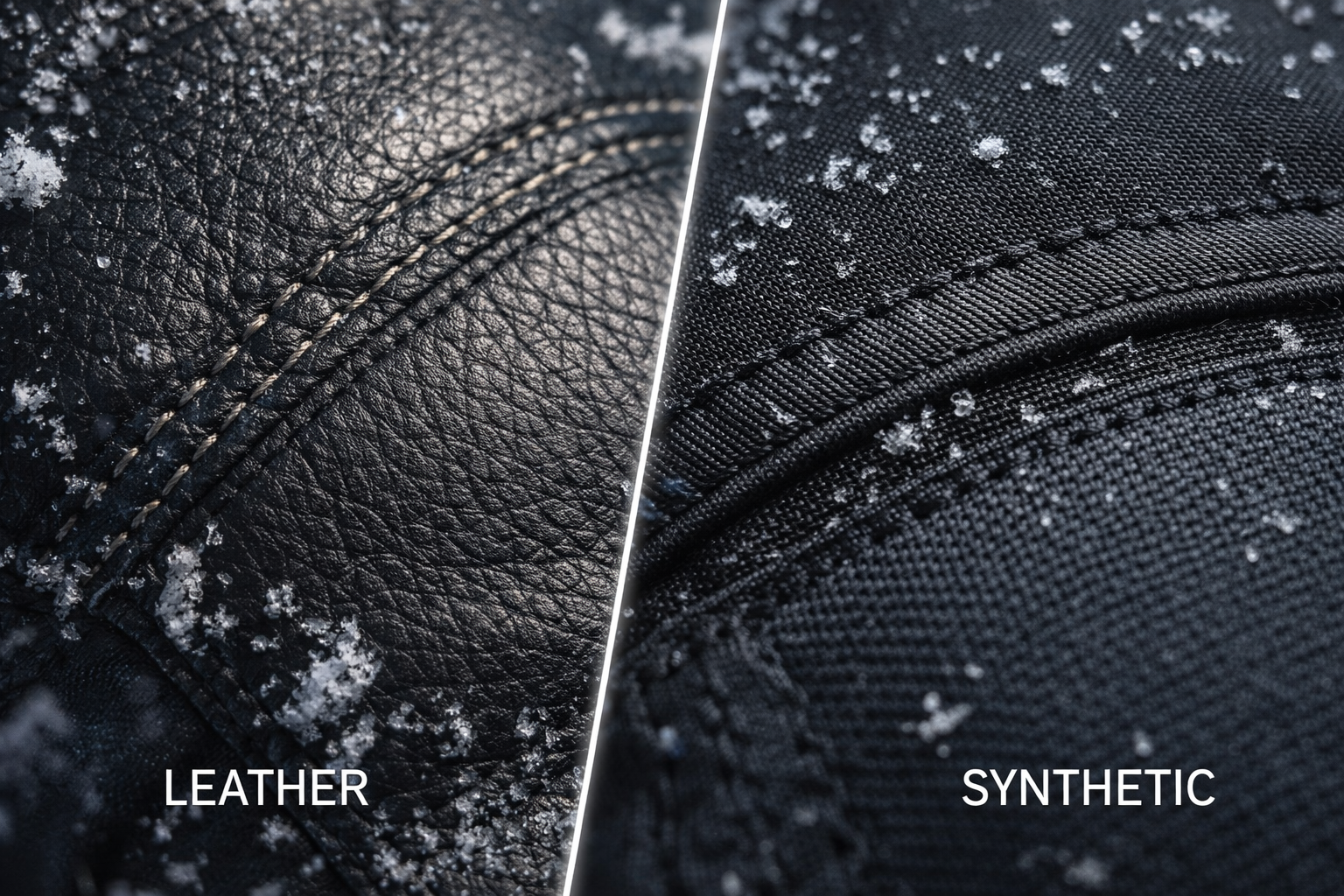
Choosing the right glove isn’t just about style—it’s about performance, comfort, and protection when conditions turn cold, wet, and windy. In this Best Ski Glove Materials for Women: Leather vs Synthetic Performance Guide, we’ll break down the most important ski glove materials, compare leather vs synthetic ski gloves, and help you identify the best ski glove fabric for your needs. Whether you’re searching for waterproof ski gloves women can trust in storm days or durable ski gloves that can handle seasons of hard use, the material choice makes a huge difference.

Why Ski Glove Materials Matter (More Than You Think)
Ski gloves have one job: keep your hands warm and functional while you grip poles, adjust bindings, and handle zippers in harsh weather. But different ski glove materials excel at different tasks—some maximize dexterity, others prioritize weatherproofing, and others are built for longevity.
In real-world skiing, you’ll notice glove material most in four areas:
- Warmth-to-bulk ratio (how warm your hands stay without feeling clumsy)
- Water resistance and drying speed (especially in wet snow or spring slush)
- Dexterity and grip (important for buckles, phones, and pole control)
- Durability (abrasion from pole grips, edges, and lift hardware)
Leather vs Synthetic Ski Gloves: The Core Differences
When shoppers compare leather vs synthetic ski gloves, it’s helpful to think of leather as the “natural performance” option and synthetics as the “engineered versatility” option. Both can be excellent—especially when paired with quality insulation and a reliable waterproof membrane.
Leather Ski Gloves: Pros and Cons
Leather is a premium choice for outer shells and palms because it balances durability, feel, and long-term comfort. High-quality leathers naturally resist abrasion and can conform to your hand over time.
- Pros: excellent grip, long-lasting palms, comfortable break-in, great for variable temperatures
- Cons: needs maintenance (conditioning), can wet out if not treated, slower drying than many synthetics
If you’re looking for durable ski gloves that feel secure on pole grips and last for seasons, leather is hard to beat—especially for frequent skiers.
Synthetic Ski Gloves: Pros and Cons
Synthetic shells typically use nylon or polyester weaves designed to resist wind, shed moisture, and dry quickly.
- Pros: quick drying, often lighter weight, typically more affordable, excellent wind resistance
- Cons: palms may wear faster, can feel less “tacky” on grips, long-term durability varies by fabric quality
For skiers who run warm, travel frequently, or ski in wet coastal climates, synthetic gloves can be the best ski glove fabric choice.
What’s the Best Ski Glove Fabric for Women? It Depends on Your Ski Style
1) Resort Skiing (Groomers, Lifts, and All-Day Comfort)
Many women prefer a hybrid build: leather palm + synthetic shell. This combo adds grip and durability where it matters while improving drying time.
2) Storm Days and Wet Snow
- A waterproof/breathable membrane
- A DWR-treated outer that sheds snow
- Sealed or well-designed seams
- A cuff that layers cleanly with your sleeve
3) Cold Midwinter Days
In deep cold, insulation type and loft become as important as shell material. Consider sizing to allow a little air space and layering with liner gloves.
4) Backcountry and High-Output Skiing
Many skiers carry two pairs: a breathable synthetic option for climbing and a warmer weatherproof glove for descents. If your winter sports overlap, check out technical ski gloves.
Leather Ski Gloves: How to Get Waterproof Performance
- Condition regularly with leather balm or wax
- Dry gently at room temperature
- Re-treat after wet days
Maintained leather remains supple and grippy, making it a strong contender in the leather vs synthetic ski gloves debate.
Synthetic Ski Gloves: What to Look for
- Reinforced palms
- High-denier nylon in abrasion zones
- Strong stitching
- Reliable waterproof insert
For minimal maintenance and fast drying, synthetics can be the best ski glove fabric—especially for travel and multi-day trips.
Material Isn’t Everything: Build, Fit, and Layering
- Fit: Too tight reduces circulation; too loose reduces dexterity.
- Cuff compatibility: Pair gloves with outerwear that seals out snow. Browse ski jackets designed for winter layering.
- Modularity: Adding liner gloves extends temperature range.

Quick Buying Guide: Choose Your Ideal Glove Material
- Choose leather for grip and long-term durability.
- Choose synthetic for quick drying and low maintenance.
- Choose hybrid for all-around performance.
- Prioritize membranes for waterproof performance.
Recommended Brands and Where to Start
Explore Hestra for premium construction and durable materials.
To compare styles, start with the women's ski gloves collection and filter by waterproofing, insulation weight, and temperature range.
Final Thoughts: Leather vs Synthetic Ski Gloves—Which Wins?
Leather shines for grip, comfort, and long-term durability. Synthetics shine for fast drying and strong storm performance. The best choice matches your climate and skiing intensity.
Ready to upgrade your handwear? Shop the women's ski gloves collection now, and build a glove setup that stays warm, dry, and dependable all season.