If you’re shopping for new ski boots, you’ve probably encountered the term “flex rating.” But what exactly does ski boot flex mean, and how does it impact your skiing experience? In this comprehensive guide, we’ll demystify ski boot flex, explain how flex ratings work, and help you choose the right flex for your ability, style, and goals.
What Is Ski Boot Flex?

Ski boot flex refers to how much resistance a boot offers when you lean forward into it. In other words, it’s a measure of how stiff or soft the boot feels when you bend your ankle and shin forward. Flex is a crucial factor in ski boot design, affecting comfort, control, and performance on the slopes.
How Is Flex Measured?
Manufacturers assign a numerical “flex rating” to each ski boot, typically ranging from about 60 (very soft) to 130+ (very stiff). The higher the number, the stiffer the boot. However, it’s important to note that flex ratings are not standardized across all brands. A 100 flex in one brand may feel slightly different from a 100 flex in another.
- Soft Flex (60-80): Easier to bend, more forgiving, ideal for beginners and lighter skiers.
- Medium Flex (90-110): Balanced support and comfort, suitable for intermediate to advanced skiers.
- Stiff Flex (120+): Maximum power transfer and precision, designed for expert and aggressive skiers.
Why Does Ski Boot Flex Matter?

The flex of your ski boots has a direct impact on your skiing technique, comfort, and safety. Here’s why choosing the right flex matters:
- Control: Stiffer boots provide more direct energy transfer from your legs to your skis, enhancing control at higher speeds and on challenging terrain.
- Comfort: Softer boots are easier to flex, making them more comfortable for beginners or those who ski at slower speeds.
- Progression: Using the right flex helps you develop proper technique and progress your skills without unnecessary strain or discomfort.
How to Choose the Right Ski Boot Flex
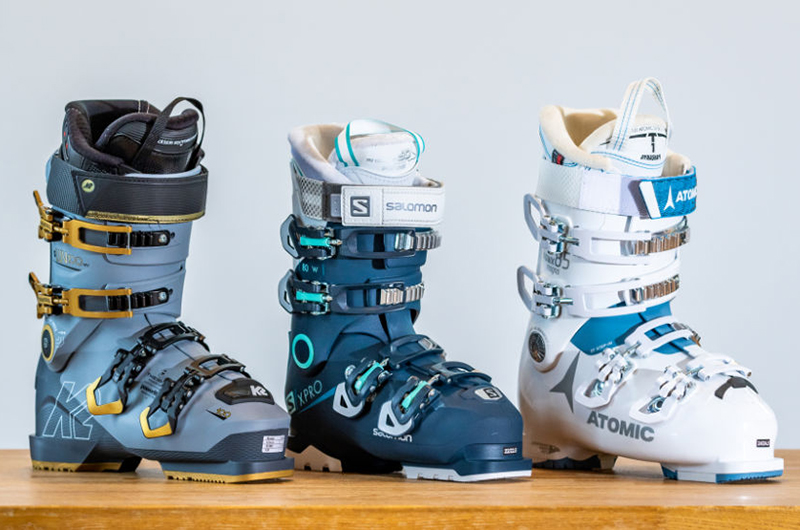
Finding your ideal ski boot flex depends on several factors, including your skill level, body weight, skiing style, and personal preferences. Let’s break down each consideration:
1. Skill Level
- Beginner: Look for softer flex boots (60-80 for men, 50-70 for women) that are forgiving and comfortable. These make it easier to learn and avoid fatigue.
- Intermediate: Medium flex boots (80-100 for men, 60-90 for women) offer a balance of support and flexibility as you gain confidence and tackle more varied terrain.
- Advanced/Expert: Stiffer boots (110+ for men, 90+ for women) provide the precision and response needed for aggressive skiing, high speeds, and challenging conditions.
2. Body Weight and Strength
Heavier or stronger skiers often need a higher flex to prevent the boot from feeling too soft, while lighter skiers may find stiff boots difficult to flex. If you’re on the lighter side, consider a lower flex rating within your skill level range.
3. Skiing Style
- Recreational/Casual Skiers: Softer to medium flex boots are more comfortable for relaxed skiing and all-day wear.
- Aggressive/Race Skiers: Stiffer boots maximize power transfer and edge control for performance-focused skiing.
- Freestyle/Park Skiers: Often prefer slightly softer boots for flexibility and shock absorption during jumps and tricks.
4. Gender Differences
Women’s ski boots typically have lower flex ratings for comparable skill levels, reflecting differences in body mechanics and strength. Always check the manufacturer’s recommendations for gender-specific models.
5. Boot Fit and Comfort
Flex is just one part of the equation. A boot that fits poorly—even with the right flex—can cause discomfort and hinder your skiing. Always prioritize a snug, supportive fit and consult a professional boot fitter if possible.
Common Ski Boot Flex Ratings: What Do the Numbers Mean?
Here’s a quick reference chart for typical flex ratings by skier type:
|
Skier Level |
Men’s Flex |
Women’s Flex |
|---|---|---|
|
Beginner |
60-80 |
50-70 |
|
Intermediate |
80-100 |
60-90 |
|
Advanced |
100-120 |
90-110 |
|
Expert/Race |
120+ |
110+ |
Remember: These are general guidelines. Your ideal flex may vary based on your unique needs and preferences.
How to Test Ski Boot Flex
Trying boots on in person is the best way to assess flex. Here’s how to do it:
- Put on the ski boot and buckle it as you would for skiing.
- Stand upright, then flex forward as if you’re skiing.
- Notice how much resistance you feel. The boot should flex, but not collapse. You should feel supported, not restricted or unstable.
If you struggle to flex the boot at all, it’s likely too stiff. If it feels too soft and offers little support, consider a higher flex rating.
Other Factors That Influence Flex
- Temperature: Plastic stiffens in cold weather, so boots may feel stiffer on the mountain than in a warm shop.
- Boot Age: Flex softens slightly as boots break in over time.
- Adjustable Flex Features: Some high-end boots offer adjustable flex settings for tuning performance.
Frequently Asked Questions About Ski Boot Flex
Is a higher flex always better?
No. A stiffer boot isn’t always better—it should match your ability, weight, and skiing style. Too stiff, and you’ll struggle to control your skis; too soft, and you’ll lose precision.
Can I use a stiffer boot to “grow into” as I improve?
It’s better to choose a flex that matches your current skills. As you progress, you can switch to a stiffer boot if needed for more performance.
Does flex affect comfort?
Yes. Too stiff a boot can cause discomfort and fatigue, while too soft a boot may feel unsupportive. The right flex balances comfort and control.
Conclusion: Finding Your Perfect Ski Boot Flex
Understanding ski boot flex is essential for making the right choice and enjoying your time on the slopes. Consider your skill level, weight, skiing style, and fit preferences when selecting a flex rating. When in doubt, consult with a professional boot fitter or visit a reputable ski shop for personalized advice.
Ready to learn more about choosing the right ski boots? Check out our comprehensive ski boot buying guide for tips on fit, sizing, and more.
Choosing the right ski boot flex is just one step toward a better skiing experience. Take your time, try on different options, and don’t hesitate to seek expert help. Happy skiing!