If you’ve ever spent a day on the slopes with aching feet or numb toes, you know how crucial ski boot comfort is. While shell fit and flex get plenty of attention, the ski boot liner inside your boot is just as important—if not more so—for comfort, warmth, and performance. But with so many liner options on the market, choosing the right one can be overwhelming. In this comprehensive guide, we’ll break down the main types of ski boot liners, their unique benefits, and how to select the best liner for your skiing style and anatomy.
What Is a Ski Boot Liner?
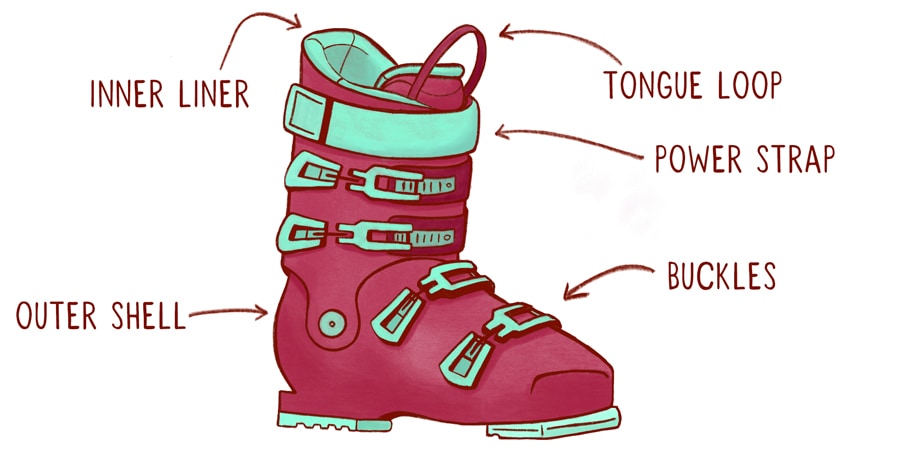
A ski boot liner is the removable, cushioned inner boot that sits inside the hard plastic shell of your ski boot. It provides insulation, padding, and a customized fit. The liner is what actually touches your foot, so it plays a huge role in comfort, warmth, and how well your boot transmits movements to your skis.
Why Ski Boot Liners Matter
- Comfort: Liners cushion your foot, reduce pressure points, and prevent blisters.
- Warmth: The insulation in liners keeps your feet warm in freezing conditions.
- Performance: A snug liner improves power transfer from your legs to your skis, giving you better control.
- Fit Customization: Liners can be molded or adjusted to match your foot shape, addressing fit issues that shells alone can’t solve.
Choosing the right liner can transform your skiing experience, making long days on the mountain more enjoyable and helping you ski at your best.
Main Types of Ski Boot Liners

There are three primary categories of ski boot liners:
- Stock Liners
- Thermoformable (Heat-Moldable) Liners
- Custom Liners
1. Stock Liners
Stock liners are the standard liners that come pre-installed in most ski boots. Made from foam and fabric, they’re designed to fit a wide range of foot shapes and sizes. While they offer basic comfort and insulation, they typically pack out (compress and lose shape) after a season or two of use.
- Pros: Included with boots, affordable, decent out-of-the-box comfort.
- Cons: Generic fit, less durable, pack out quickly, limited customization.
Best for: Beginners, casual skiers, or those on a budget who don’t ski frequently.
2. Thermoformable (Heat-Moldable) Liners
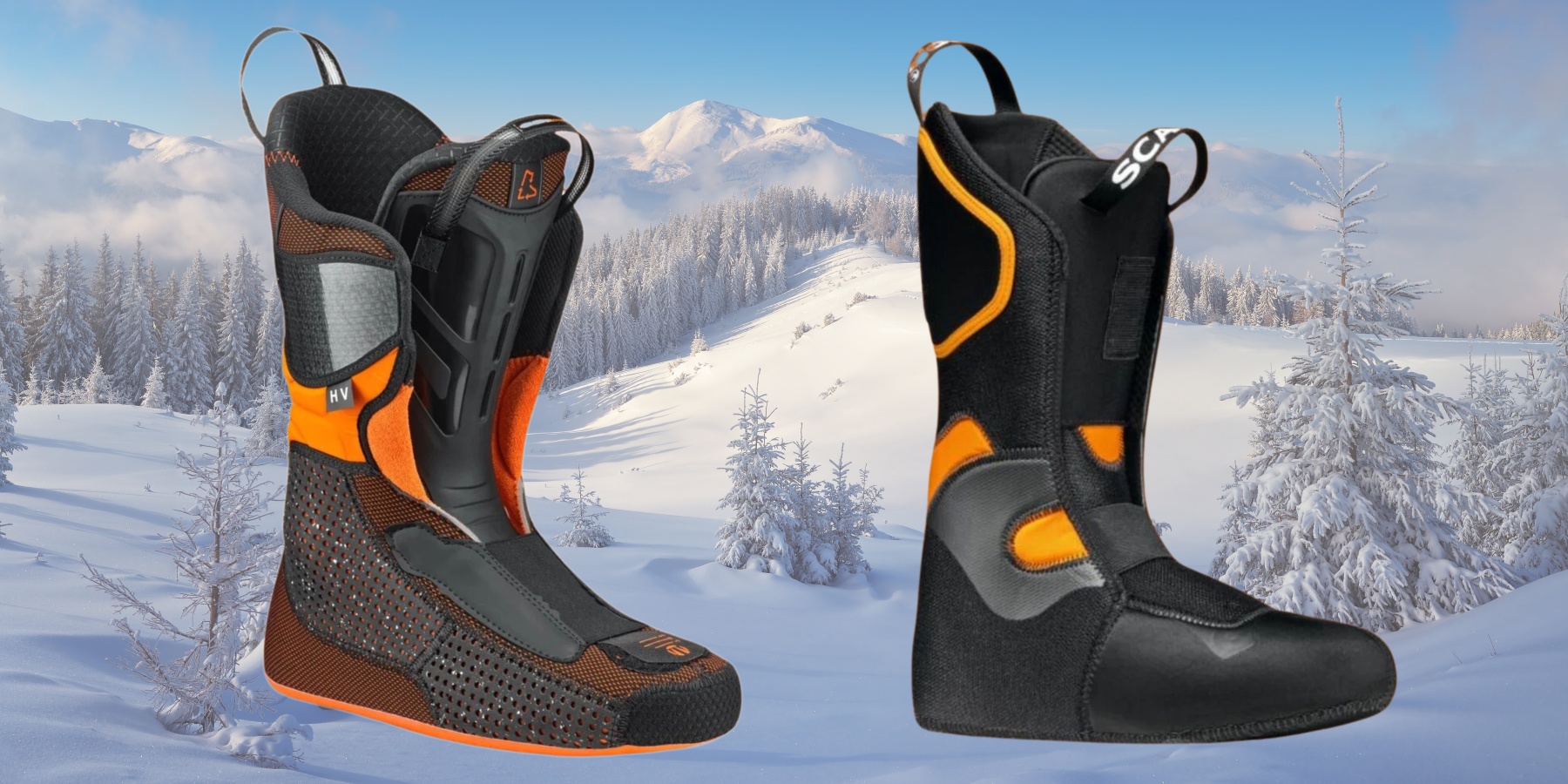
Thermoformable liners are made with special foams that can be heated and molded to the unique shape of your foot and the inside of your ski boot shell. Many mid- to high-end ski boots now come with heat-moldable liners, and aftermarket options are available.
- Pros: Custom fit, better comfort, improved performance, can be re-molded.
- Cons: More expensive than stock liners, require professional fitting for best results, still may pack out over time.
Best for: Intermediate to advanced skiers, those with hard-to-fit feet, or anyone seeking a more tailored fit.
3. Custom Liners
Custom liners (such as those from Intuition or ZipFit) are the gold standard for fit and performance. These liners are built from high-quality, dense foams or proprietary materials that can be fully customized to your foot and shell. Customization may involve heat molding, injecting foam, or using cork or other materials to fill gaps and create a truly personalized fit.
- Pros: Ultimate fit and comfort, excellent warmth, superior performance, longer lifespan.
- Cons: Highest cost, require professional fitting, may feel firmer initially.
Best for: Expert skiers, racers, backcountry enthusiasts, or anyone with challenging foot shapes or chronic fit issues.
Specialty Liners: Touring, Alpine, and Freeride
Within these main categories, you’ll also find liners designed for specific skiing disciplines:
- Alpine Liners: Prioritize downhill control and warmth. Usually thicker and stiffer for maximum power transfer.
- Touring Liners: Lighter and more flexible, designed for comfort and mobility during uphill travel. Often feature thinner profiles and more breathable materials.
- Freeride Liners: Strike a balance between support and comfort, suitable for aggressive skiing and variable terrain.
Key Benefits of Upgrading Your Ski Boot Liners
Why consider upgrading your liners, even if your boots are relatively new?
- Improved Fit: Custom or heat-moldable liners can eliminate pressure points and improve overall fit.
- Enhanced Warmth: Higher-quality liners use better insulating materials, keeping your feet warmer on cold days.
- Better Performance: A snug, supportive liner increases responsiveness and control, especially at higher speeds or in challenging conditions.
- Extended Boot Life: Replacing packed-out liners can breathe new life into older shells, saving you money on new boots.
- Personalization: Address unique foot shapes, volume issues, or specific comfort needs.
How to Choose the Right Ski Boot Liner
With so many options, how do you pick the best liner for your needs? Consider these factors:
1. Skiing Style and Discipline
- Resort Skiers: Look for warmth, comfort, and support.
- Backcountry/Touring: Prioritize lightweight, breathable liners with good mobility.
- Racers/Experts: Seek out performance-oriented, firmer liners for maximum control.
2. Foot Shape and Volume
If you have high arches, wide feet, or other unique foot characteristics, a thermoformable or custom liner can resolve fit issues that off-the-shelf liners can’t.
3. Boot Shell Compatibility
Not all liners fit all shells. Check with your boot manufacturer or a professional boot fitter to ensure compatibility, especially if you’re considering aftermarket or custom liners.
4. Budget
Stock liners are the most affordable, while custom options can be a significant investment. However, the comfort and performance gains often justify the cost for frequent skiers.
5. Professional Fitting
For the best results, especially with heat-moldable or custom liners, visit a reputable boot fitter. They can help you select the right liner, mold it to your foot, and make further adjustments as needed.
Signs You Need New Ski Boot Liners
- Your boots feel loose or sloppy, even when fully buckled.
- You notice cold spots or reduced warmth.
- The liner foam feels compressed or packed out.
- You develop new pressure points or discomfort.
- There’s visible wear, holes, or odors that don’t go away.
If you’re experiencing any of these issues, it may be time to upgrade your liners rather than replacing your entire boot.
Care and Maintenance Tips for Ski Boot Liners
- Dry Liners After Each Use: Remove liners from shells and let them air dry to prevent odor and mold.
- Use Boot Dryers: Electric boot dryers speed up the drying process and extend liner life.
- Wash Liners Occasionally: Hand wash with mild soap and air dry fully before reinserting.
- Avoid Excessive Heat: Don’t place liners on radiators or in direct sunlight, as this can damage the foam.
Frequently Asked Questions About Ski Boot Liners
Can I replace my ski boot liners without buying new boots?
Yes! Upgrading your liners is a cost-effective way to improve fit and comfort, especially if your shells are still in good condition.
How long do ski boot liners last?
Stock liners may last 50-100 ski days before packing out, while high-quality custom liners can last 150+ days with proper care.
Are custom liners worth the investment?
For frequent skiers, those with challenging foot shapes, or anyone seeking the best possible fit and performance, custom liners are often worth every penny.
Conclusion: The Right Liner Makes All the Difference
Don’t overlook your ski boot liners when seeking comfort and performance on the slopes. Whether you’re a beginner or a seasoned pro, choosing the right liner type can transform your skiing experience. Consider your skiing style, foot shape, and budget, and don’t hesitate to consult a professional boot fitter for personalized advice.
Ready to dive deeper into ski boot selection? Check out our comprehensive guide on choosing the right ski boots for more tips on finding your perfect fit.
Happy skiing—and here’s to warm, comfortable feet all winter long!